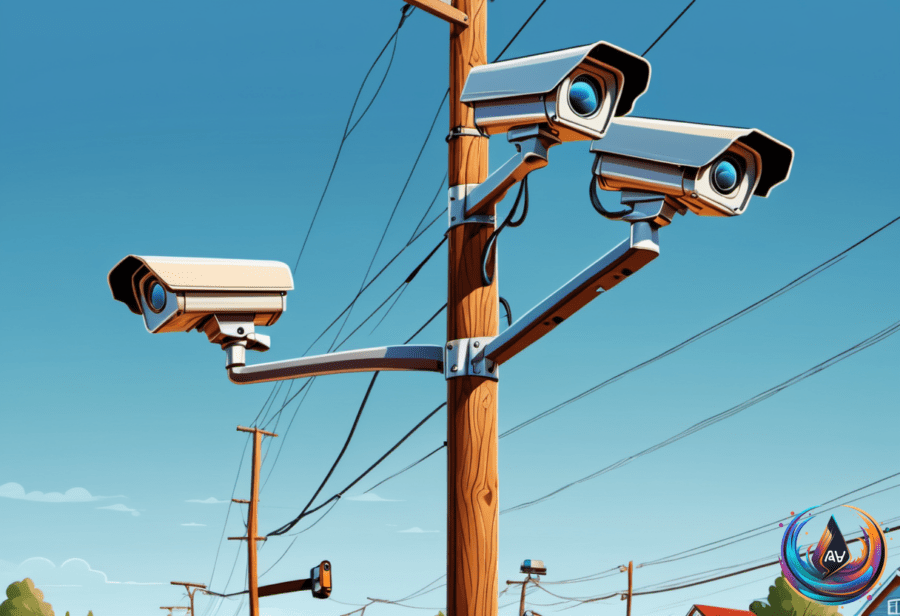
Flock Safety cameras are everywhere now. Over 100,000 license plate readers (ALPRs) from this company cover the U.S. They track more than just cars. Pedestrians and cyclists are caught too. The tech doesn’t blink.
Tracking Beyond License Plates
These cameras don’t just snap license plates. They run a modified Android system and wirelessly send footage to a database. Artificial intelligence catalogs everything. That means your daily routes, places you visit, even your routine can be logged. The ACLU warns this tech watches “your normal routine, where you go to work, et cetera.” One privacy advocate put it bluntly: “You can’t get a breath of fresh air … without us knowing.”
Law enforcement agencies and private groups are big users. About 40% of U.S. police forces use ALPR systems. But the power to track comes with real risks.
When Surveillance Turns Into Misuse
Flock’s database has been misused by police more than once. At least 15 incidents of abuse have come to light. In one case, a police chief tracked his ex-girlfriend and her family over 200 times. Another officer followed a woman he was dating nearly 180 times in two months. This officer resigned and faced criminal charges afterward. The Joplin Police Department investigated a Missouri officer who ran 542 test searches over 10 months, showing how easy it is to abuse the system.
Security flaws have also plagued Flock. In December 2025, Benn Jordan exposed at least 70 Flock cameras online without any password protection. This opened the door for anyone to access sensitive footage.
Legal Battles and New Rules
Courts are still figuring out the rules. A federal judge ruled in February 2026 that Flock cameras don’t violate freedoms now. But they warned this could change as the technology spreads and grows. A federal district court upheld Norfolk’s 170-camera Flock network in January 2026. Judges noted constitutional questions might shift as networks expand.
Washington state acted fast. Their SB 6002 law, which limits ALPR deployments like Flock’s, took effect March 30, 2026. This law is one of the first to impose clear restrictions on how these cameras can be used.
What Flock Says and What Critics Warn
Flock claims it “connects communities, businesses, and public safety so incidents can be understood clearly and decisions can be made on facts.” They say “Privacy first” is their motto. A company spokesperson points out that there are 140,000 monthly active users of Flock’s system. They argue the abuse cases, while terrible, are rare.
Still, privacy advocates like the ACLU of Massachusetts and Colorado warn about growing surveillance. They say this goes beyond drivers. Pedestrians, cyclists, and everyday public activity are tracked. The technology watches your movements without breaks.
Looking Ahead
Flock cameras are spreading fast. The question is, how will society balance public safety with privacy? Courts are watching closely. New laws like Washington’s hint at tighter controls. But as networks grow, the risk of misuse rises too. Will technology outpace the rules? Will privacy win or lose? The answers are still unfolding, but one thing is clear: Flock’s cameras are changing how we see public surveillance forever.
Based on
- Flock cameras track more than your license plate, and they’re spreading fast — engadget.com
- ‘So Much Creepier’: Woman’s Town Installs AI-Powered Traffic Cameras. Then She Realizes What Else They’re Tracking — motor1.com
- Surprise, Surprise… Cops Are Using License Plate Readers To Stalk People — guessingheadlights.com
- Cops Are Already Using License Plate Readers to Stalk People — thedrive.com
- License-Plate Cameras Track People Without Warrants | Let’s Data Science — letsdatascience.com