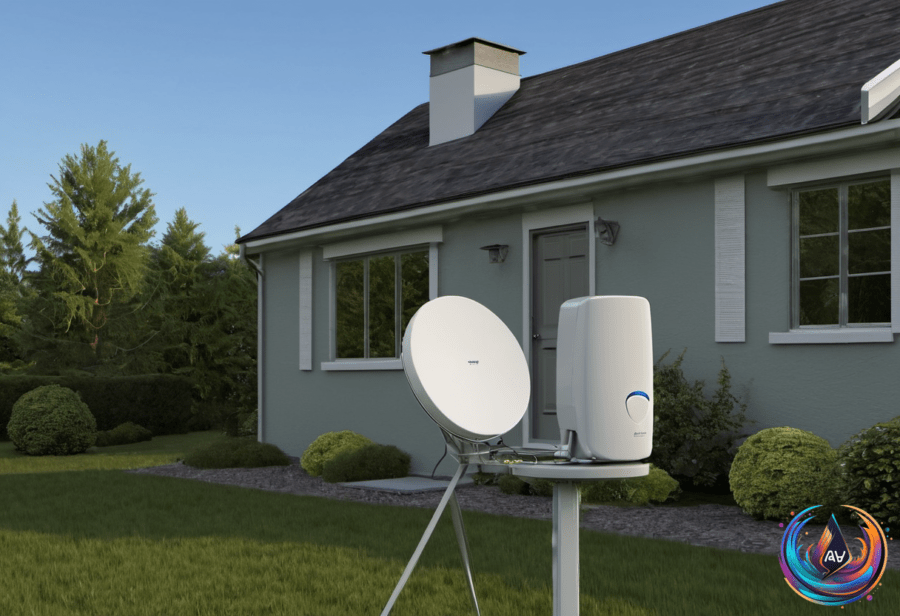
Starlink Mini can serve as home internet. The catch is the plan.
The compact dish supports fixed and portable use, so owners can install it as a main home connection or take it on the road. In the United States, however, Starlink sells the Mini around its Roam service rather than its Residential plans—a choice that can make fixed home use cost more and deliver less.
Starlink opened the Mini to standalone Roam customers in the US in 2024, removing the requirement for an existing Residential subscription. That made the hardware easier to buy on its own, but the service attached to it still follows Roam’s structure: limited high-speed data, travel support, and the option to pause service.
Roam’s Data Caps Change the Equation
Roam starts at $55 per month for 100GB of high-speed data and rises to $80 for 300GB. Unlimited Roam costs $175 per month, which is a steep price for a dish marketed around portability.
Once a customer uses the high-speed allowance, the service drops to unlimited low-speed data for the rest of the billing period. That distinction matters at home, where several devices can consume data without much ceremony—streaming, downloads, and ordinary household use can turn a monthly allowance into a short-lived luxury.
The 100GB and 300GB plans could work for occasional use, especially for customers who travel or need internet in more than one place. They become harder to justify as a full-time home connection because the data caps can limit the Mini’s value after the high-speed allowance disappears.
Roam’s portability remains its strongest argument. Customers can pause the plans, and the service supports travel, giving the Mini a practical role for changing locations instead of treating it like a permanent household utility.
Residential Offers More Data for Fixed Homes
Residential plans offer unlimited data and start at $55 for 100 Mbps. The 200 Mbps tier costs $85, while Residential Max costs $130 per month, putting unlimited home service below the price of unlimited Roam.
That pricing makes the Mini’s US position awkward. A customer seeking a permanent connection may pay $55 for Residential service with unlimited data, while the $55 Roam option provides only 100GB of high-speed data before dropping to low-speed service. The cheaper plan is not the same plan, despite the matching monthly price.
Starlink Mini hardware can use Residential service in limited regions, though Starlink has not identified those regions. For customers outside those areas, the hardware remains tied to the Roam setup even when the dish never leaves the roof or windowsill.
The Mini also gives up some coverage compared with Starlink’s Standard hardware. Its integrated Wi-Fi covers up to 1,200 square feet, while Standard covers 3,200 square feet—enough difference to matter in larger homes.
Existing customers have one unusual exception. Customers who claimed Starlink’s Mini kit or bought Residential Max before June 6 can keep a Mini as a no-cost hardware rental and receive 50% off Roam service while maintaining the Max subscription.
Starlink states that offer is no longer available to new customers. For everyone else, the decision is straightforward: the Mini is a flexible travel device that can work at home, but Roam’s data limits make it a poor substitute for Residential service when the dish becomes a fixed household connection.
Based on