3D TVs promised a home theater revolution and delivered disappointment instead. By 2015, the technology vanished from living rooms. The industry shifted focus to 4K and HDR, leaving 3D behind.
During its peak from 2010 to 2018, only about 25 percent of households with 3D TVs ever used the feature. Within three years, less than 10 percent stuck with it. The reasons are clear-cut.
Content scarcity killed interest for 65 percent of users. Without enough 3D shows or movies, the technology felt pointless. Even broadcasters like BBC and ESPN abandoned 3D by 2013 after a brief push, including 55 3D-only channels worldwide in 2012.
Half of the users reported physical discomfort during long 3D viewing sessions. Wearing glasses for hours is no fun. To add insult, 42 percent quit due to steep equipment costs. On eBay, 3D glasses once cost $100 apiece.
Kim Shillinglaw, former head of 3D at the BBC, summed it up: “Watching 3D is quite a hassly experience in the home. You have got to find your glasses before switching on the TV. I think when people watch TV they concentrate in a different way.”
Streaming 3D content never gained traction either. It demands a minimum upload speed of 5 Mbps and flawless rendering. Poor graphics drivers or outdated hardware cause glitches. Few streaming platforms invested in the tech, further starving content.
3D Projectors: More Hype Than Household Staple
3D projectors differ from normal ones by using stereoscopy—projecting two slightly different images, one for each eye. Active 3D uses shutter glasses syncing with the projector; passive 3D relies on polarized glasses.
They offer a more immersive experience, especially for gaming, movies, and simulations. But they come with trade-offs: higher cost, lower resolution and brightness, and the need for special HDMI 1.4 or higher connections.
Despite some high-end models hitting 4K resolution and 5,000 lumens brightness, 3D projectors remain niche. The setup is complex, content is sparse, and glasses are mandatory. The tech’s promise of realism clashed with practicality.
CRT TVs: The Forgotten Ancestor
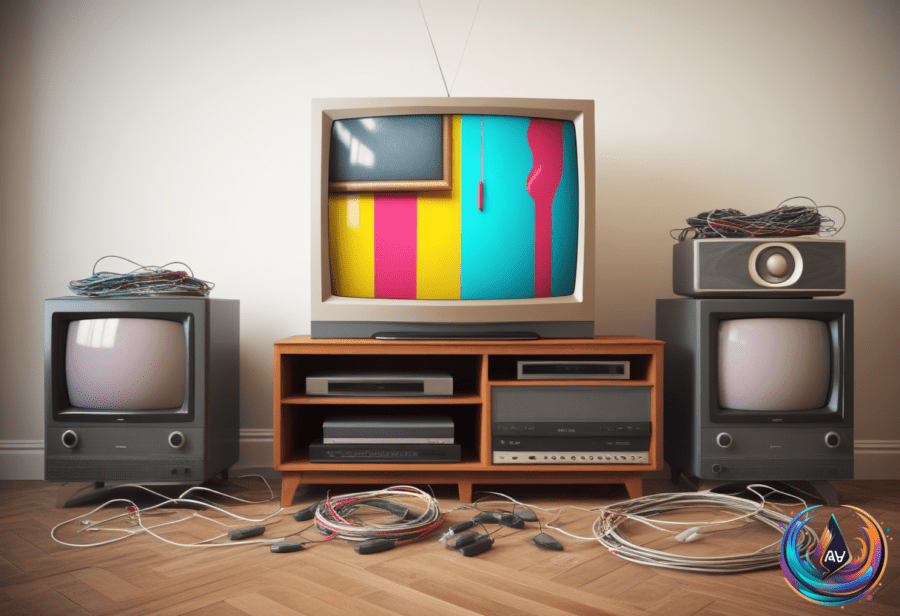
Behind the rise of modern displays lies the era of CRT TVs — cathode ray tube devices that peaked at 130 million units sold in 2005. These hulking machines weighed a ton, like the Sony PVM-4300 at 200kg (440lb).
CRTs were heavy, fragile, power-hungry, and packed with leaded glass. They triggered regulatory headaches, shipping challenges, and costly repairs. “Could it pass today’s regulations? In the EU, almost certainly not,” said an electronics expert.
Production required complex glass fabrication, vacuum assembly, phosphor coating, and precision calibration. Most factories and supply chains have vanished. Reviving CRTs today faces insurmountable obstacles from regulations, materials, and lost expertise.
The legacy of CRTs is a reminder of how technology marches on—what once dominated homes becomes a relic, just like 3D TVs now. The future of 3D tech looks dim unless content, comfort, and cost improve dramatically.
Based on
- Why 3D TVs failed and the trouble with 3D in Hollywood. — engadget.com
- Streaming 3D-Modelled TV Shows: Avoiding the Glitch — ssl.dlg.org
- ‘Technologies don’t usually die because consumers move… — inkl.com
- Differences Between 3D Projectors and Normal Projectors: A Comprehensive Guide – NextTools — nexttools.net
- 3Defence – A blog about 3D cinema: 3D TV — 3defence.blogspot.com