Repairability is the Osmo 360 II’s real upgrade. DJI’s panoramic action camera adds 8K 60 fps recording, improved dynamic range, better low-light capability, and replaceable lenses—but the lens design may matter more than the extra frames.
“The 8K 60 fps frame rate is nice, but the replaceable lenses are the hot new feature for an action camera,” Steve Dent wrote. That assessment fits the hardware: unlike the original Osmo 360, the Osmo 360 II lets owners replace damaged lenses instead of treating a scratched front element as a financial obituary.
DJI priced the camera at €589 ($680), below the Insta360 X6’s €699 sticker. There is one large catch for American buyers—the Osmo 360 II isn’t available in the United States.
A denser camera with more usable capture options
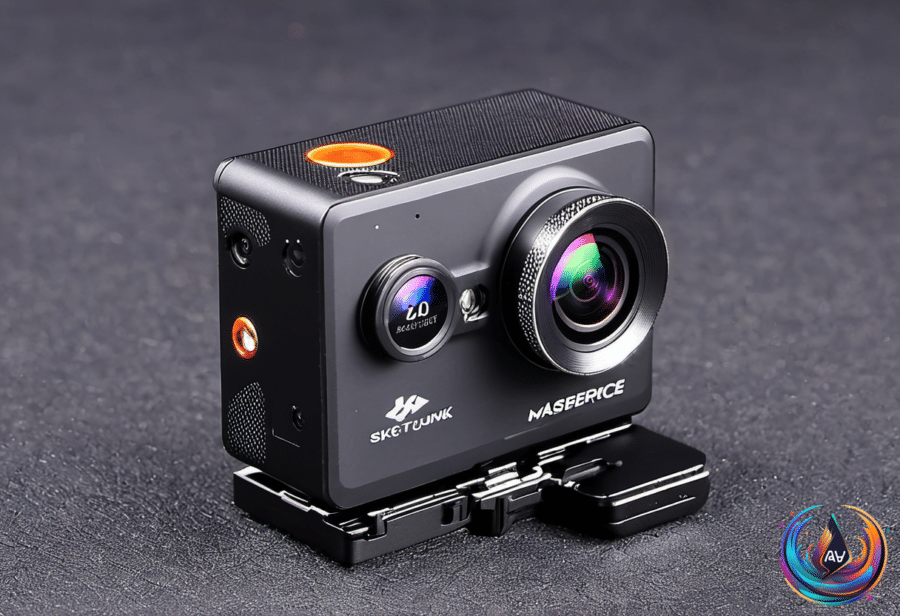
The Osmo 360 II uses an ultrawide lens and a 1/1.1-inch 8K square sensor on both sides. Each camera captures a 180-degree view, and the camera stitches those views together in-camera to create 360-degree video.
The square sensor also gives DJI more room to work with. The 1/1.1-inch design allows the company to use 25 percent more of the sensor than some rival models, while footage can be de-warped or flattened into square video at up to 4K resolution. For still photography, the camera can capture 120-megapixel panoramic photos.
Its body takes a squarish shape that is thicker, wider, and shorter than the Insta360 X6. A bright 2-inch, 314 x 556 touch display sits on the back, giving the camera a compact control surface without changing its distinctly boxy proportions.
The right side houses the power button and USB-C connector in a waterproof compartment, along with a separate compartment for the battery and microSD card slot. DJI also gives the Osmo 360 II 105GB of internal storage, and USB-C transfer speeds reach 600 MB/s.
Better endurance, easier lens repairs
The camera comes with a new 2,150mAh battery rated for 100 minutes of 8K 30p shooting. That is an improvement over the original Osmo 360’s 91 minutes under the same shooting conditions, though the Insta360 X6 reaches 140 minutes at 8K 30 fps.
Charging takes 39 minutes from 0 to 100 percent. The X6 takes 35 minutes, so DJI improves the original camera’s endurance without claiming the category’s top battery figures. Action cameras remain devices where a spare battery can save the day—and where the battery meter has a talent for becoming the main character.
NFC tap-to-connect is another new feature. DJI’s Mimo app sometimes fails to find the company’s action cameras over Wi-Fi, but tap-to-connect works seamlessly, removing one irritating step from the setup process.
The replaceable lens system is designed for practical repairs, not a workshop marathon. DJI sells replacement lenses for €39 ($45) a pair, and the kit includes a tool, instructions, a blower, a suction cup, and new gaskets; the change can be completed in under five minutes.
That combination gives the Osmo 360 II a clear position. Its higher frame rates, improved dynamic range, low-light gains, larger usable sensor area, internal storage, and NFC connection make it a measured upgrade, while the inexpensive lens kit addresses the kind of damage that can end an action camera’s useful life.
The Osmo 360 II is not a revolution in panoramic capture. It is a more capable version of the original with one unusually sensible improvement—and sensible hardware choices are still allowed to be interesting.