Robert Solomon found a new working life after 60. Now 71, he works as a grocer and says the job leaves him physically stronger and mentally quieter. That is a striking result for work that involves apples, broccoli, and dandelion greens rather than grand plans about personal reinvention.
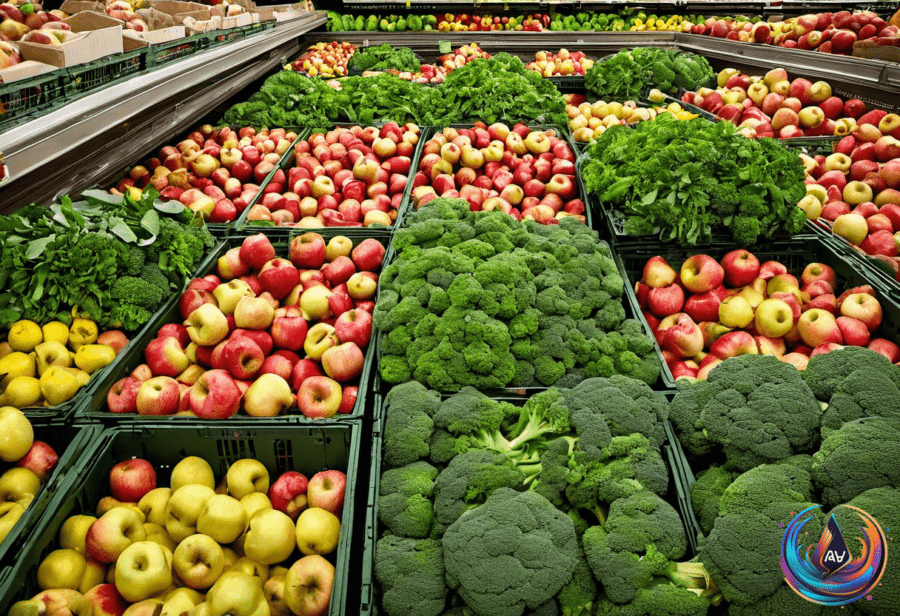
Solomon loves the early mornings, picking out the apples, tending to the broccoli, and fussing up the dandelion greens. He calls it the best job he has had, a judgment that carries more weight because his working life also included building management and tech support for a nonprofit organisation.
“One of the big attractions is that it’s a low-fantasy job,” Solomon says. The phrase explains the appeal without dressing the work up as a life-changing theory. The job is ordinary, practical, and close to the goods being handled — which may be precisely why it feels special.
The appeal of ordinary work
During the pandemic, Solomon’s working hours were cut. He did building management and tech support for a nonprofit organisation, then took an extra job at a food cooperative helping to stock the store.
The food cooperative job was described as the most ordinary job, but that was what made it special. Stocking a store does not require a dramatic professional narrative, and Solomon’s account gives that lack of drama a clear value.
His experience places the focus on the work itself: early mornings, produce, and tasks that can be seen in front of him. Picking apples, tending broccoli, and fussing up dandelion greens provide a direct rhythm, without the elaborate promise often attached to modern working life.
That contrast matters because Solomon had already worked in roles involving buildings and technical support. His move into grocery work was not presented as a return to a familiar occupation; it was a start after the age of 60, followed by a strong personal verdict at 71.
A different measure of a good job
Solomon says the grocery work has made him feel physically stronger and mentally quieter. Those are simple descriptions, but they offer a clear measure of what the job gives him beyond a title or a list of responsibilities.
The physical side is visible in the work he names: selecting apples, caring for broccoli, and arranging dandelion greens. The mental side is harder to package, which may explain why “low-fantasy” fits so well. The job asks for attention to ordinary things instead of a performance about ambition.
There is no need to turn Solomon’s experience into a universal formula. The facts are more useful without that treatment: his hours were cut during the pandemic, he added food-cooperative work, and the most ordinary job became the special one.
At 71, Solomon has found satisfaction in a role he began after 60. He loves the early mornings, says it is the best job he has had, and describes a life that feels stronger in the body and quieter in the mind. The produce aisle, it turns out, has a better pitch than most workplaces.
Based on